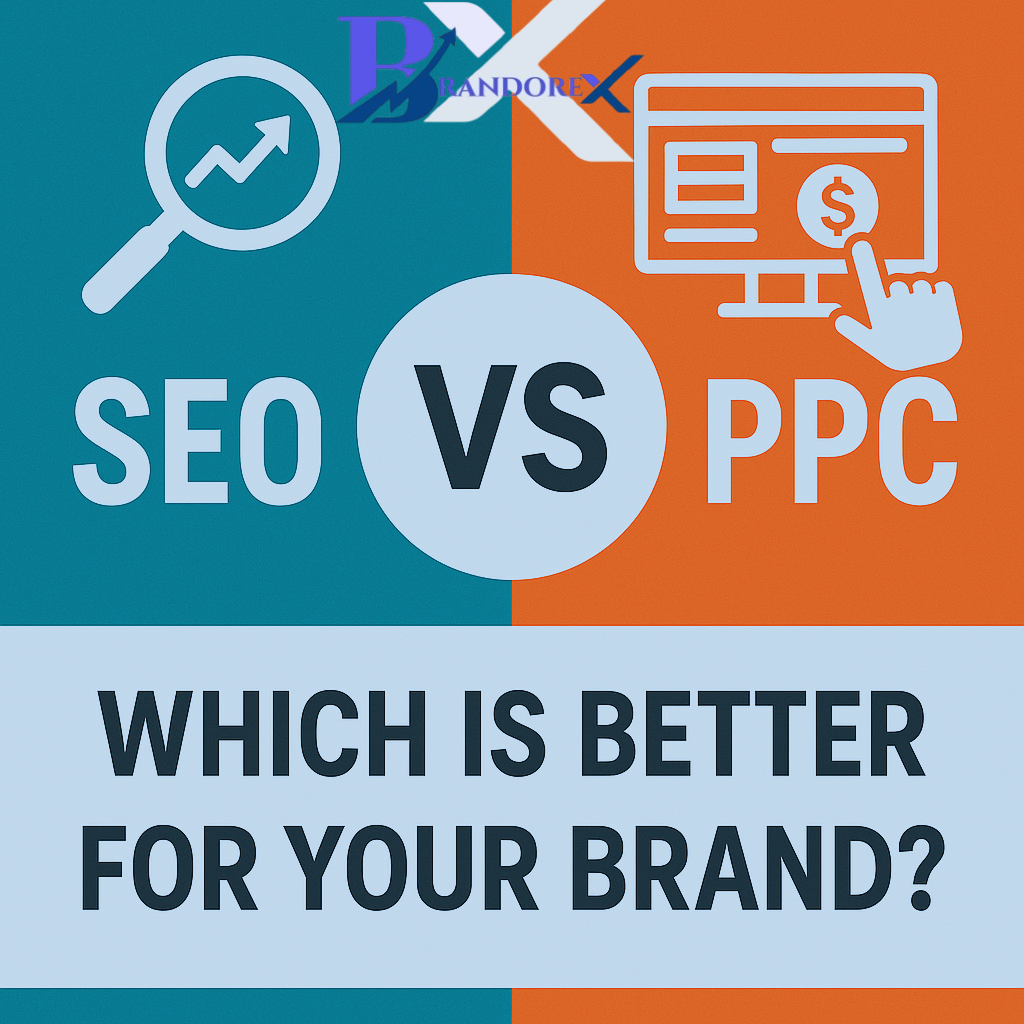
SEO is all about optimizing your website and content to help you climb higher in organic search engine results. It combines on-page tactics like keyword optimization, content creation, meta tags, and improving site speed, alongside off-page efforts like gathering backlinks and engaging with social signals. Additionally, it benefits from technical improvements such as ensuring mobile-friendliness and enhancing crawlability. The aim is to shine brightly on search engines like Google when users search for relevant terms. In the digital marketing landscape, two of the most effective tools for boosting traffic and enhancing brand visibility are SEO and PPC, each serving distinct purposes and needing different approaches. By understanding the strengths and limitations of each method, you can make informed decisions that align with your growth aspirations. PPC, or pay-per-click advertising, is a strategy where you bid on specific keywords to get your ads showcased at the top of search engine results. You incur a fee each time someone clicks on your ad, with factors like location, demographics, device, and even time of day influencing visibility. It’s particularly useful for new launches, promotions, or when you need results quickly. On the other hand, use SEO to establish a solid, enduring presence, enhance your brand’s authority, and reduce long-term acquisition costs. It’s especially fitting for content-rich fields like blogging, software, and professional services. Meanwhile, PPC is optimal for those time-sensitive promotions, product launches, or highly competitive markets where achieving organic ranking might take longer. By leveraging the quick wins of PPC while nurturing your SEO for the long haul, you can strategically evaluate your goals, budget, and timeline to craft a plan that truly resonates with your brand’s unique needs.

Reviews
There are no reviews yet.